Artificial Intelligence – A critical technology for defence and security
Development is taking place in many parts of the world and as AI systems become more sophisticated and globally accessible, the threat from other actors who have gained access to the technology is also increasing. The continuous spread of and advancements in AI will augment potential hostile actors and increase their ability to challenge, destabilise and sabotage, introducing new global security concerns. In order to combat these new and complex threats, the defence and security sectors are integrating AI into its products and operations.
WHAT IS THIS TECHNOLOGY AREA ALL ABOUT?
AI is a subfield of computer science that focuses on the building of machines capable of performing tasks that we typically associate with human intelligence. Key AI technologies are computer vision (CV), machine learning (ML), deep learning (DL) and natural language processing (NPL).
Integrating AI can enable machines to operate independently with little or no human input. It can also support human operators with decision-making and real-time insights at a rapid pace, enabling faster and better informed responses in dynamic environments, functions that offer significant advantages to military and security objectives.
Although AI can prove to be a formidable tool, there are still problems that require continuous oversight and efforts to manage. Concerns surrounding ethics, bias, misinformation, reliability, transparency and accountability are some that need to be considered with the handling of AI.
HOW COULD THIS TECHNOLOGY BE APPLIED?
Task automation:
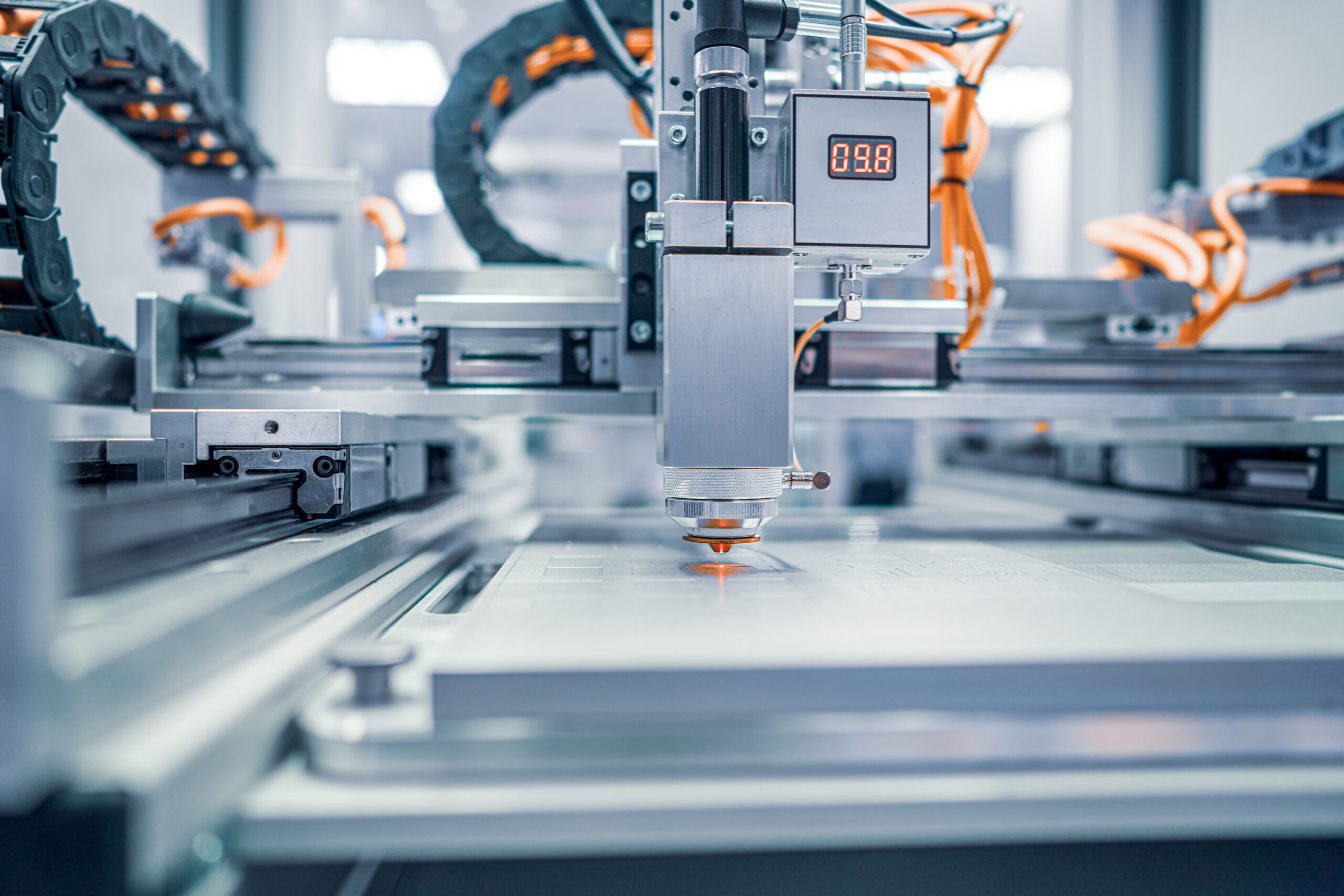
AI tools can be used to perform repetitive and manual actions, enhancing workflows and freeing human workforce from time consuming and lower level tasks.
Predictive analytics:
AI models can help with decision-making by collecting large amounts of data, cleaning and organising it, and through the use of machine learning, analyse it to find relationships and trends used to predict future outcomes.
Computer vision and sensor fusion:
These technologies are often used together to improve a system’s ability to perceive and understand its environment. AI plays a key role by fusing data from various sensors as well as enabling computers to interpret visual feeds and contextual information effectively, providing accurate real-time insights of complex environments.
Intelligence analysis:
With AI:s ability to process extensive and multifaceted data, it can help evaluate and detect unusual patterns across different datasets, providing extensive risk assessments and real-time threat analysis.
Robotics and autonomous systems:
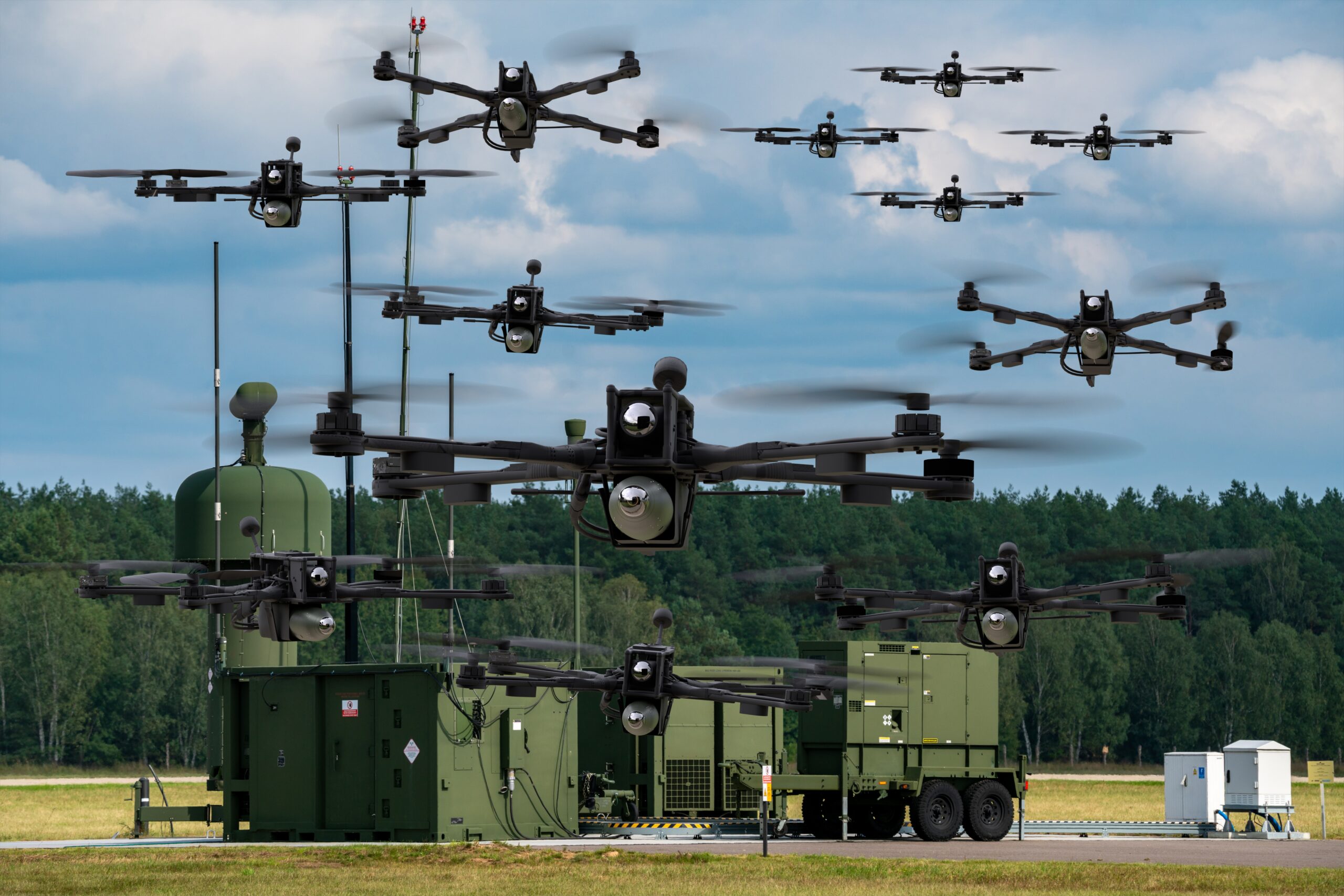
AI is a key enabler for advancing robotics and autonomous systems. With AI integrated, robots and autonomous systems can respond to the environment, learn from experience and perform tasks without human assistance.
Decision support:
By processing raw data in real time and converting it into usable data, AI systems can better the way decision-making is made, offering faster and more refined supporting information.
Cyber operations and security:
AI can strengthen cyber operations and security by enhancing threat detection, anticipate vulnerabilities and provide real-time responses to cyber attacks, offering greater protection of networks, systems and data.
HOW COULD THIS TECHNOLOGY BE APPLIED TO THE DEFENSE SECTOR?
The advancement of AI is reshaping the defence sector in many ways and its uses span numerous areas. Therefore the examples outlined represent significant, but not all, applications.
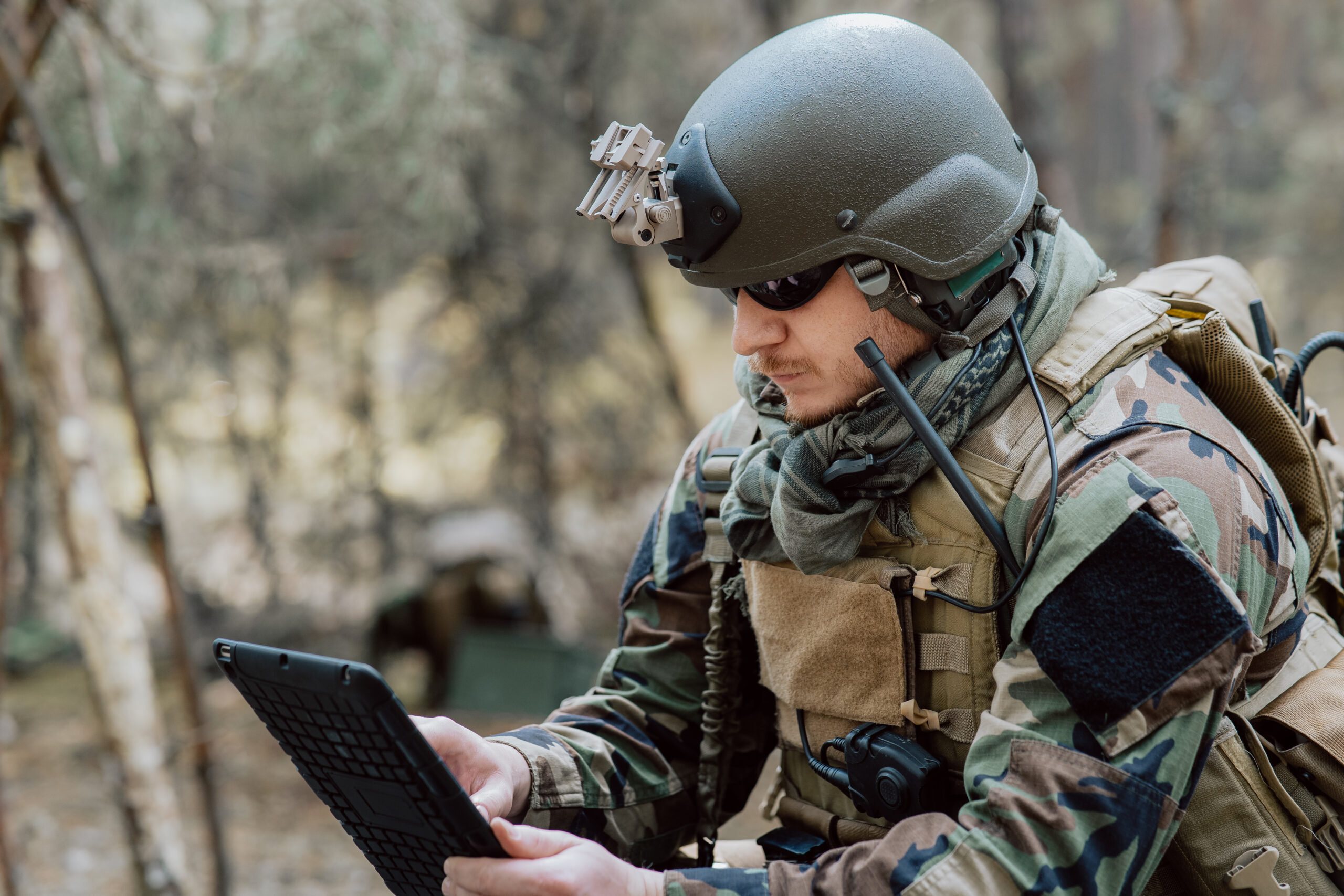
Smart soldier systems:
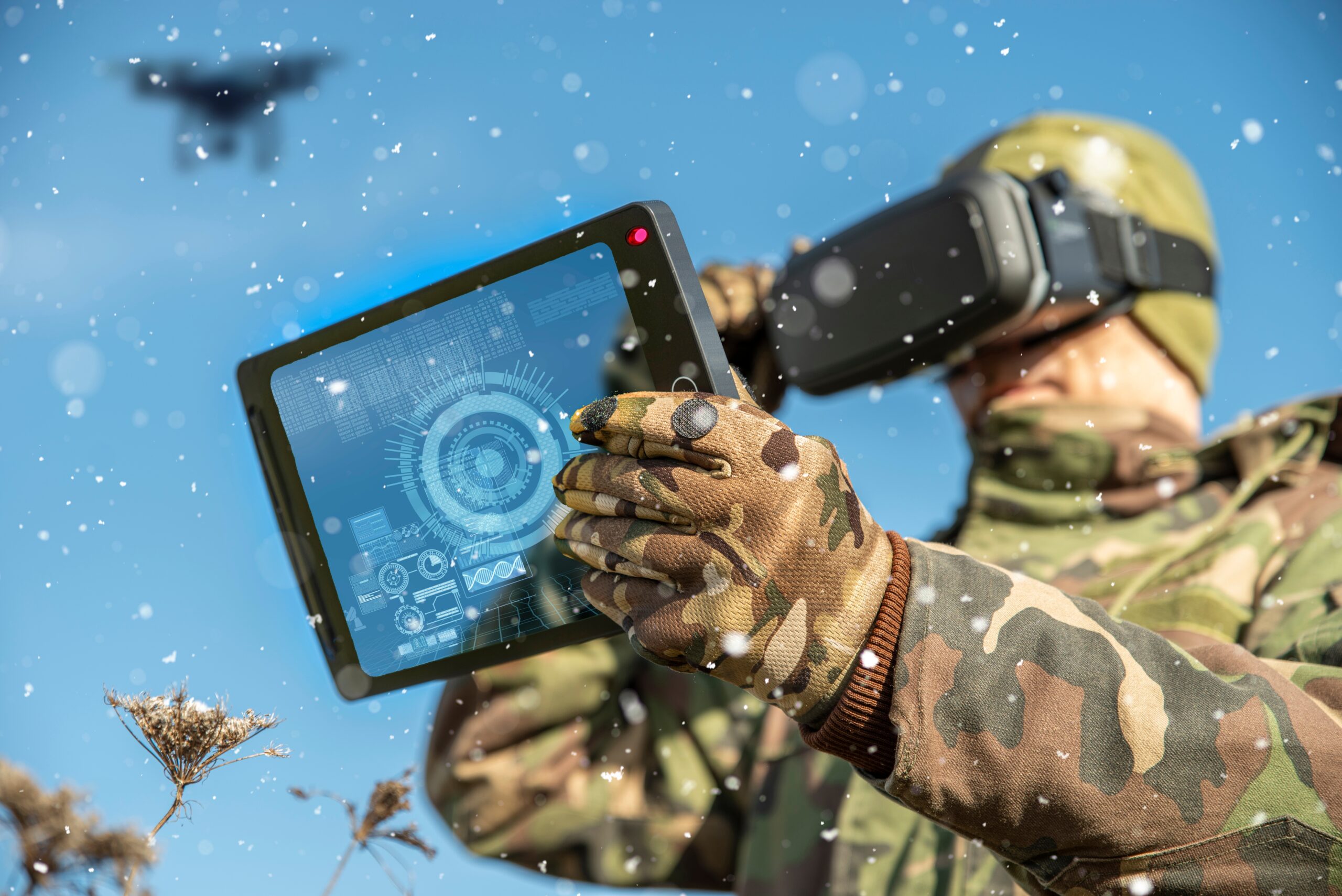
AI can be used as the foundational intelligence powering smart soldier systems. By processing data from sophisticated sensors and communication technologies, the system can provide enhanced soldier awareness, performance and safety.
Simulation and training:
AI-enabled simulations can create realistic and adaptive scenarios from battlefield data and respond to actions in real time. An AI can also analyse performance data in order to adjust scenarios, personalise training and automate feedback.
Electronic warfare and cybersecurity:
With AI integrated into electronic warfare systems it can detect and classify frequencies and counteract electronic signals such as jamming or spoofing, while also providing real-time analysis. In cybersecurity AI can enable systems to continue functioning during unexpected attacks or events, adapt their behavior in real-time and recover quickly to reduce downtime and harm.
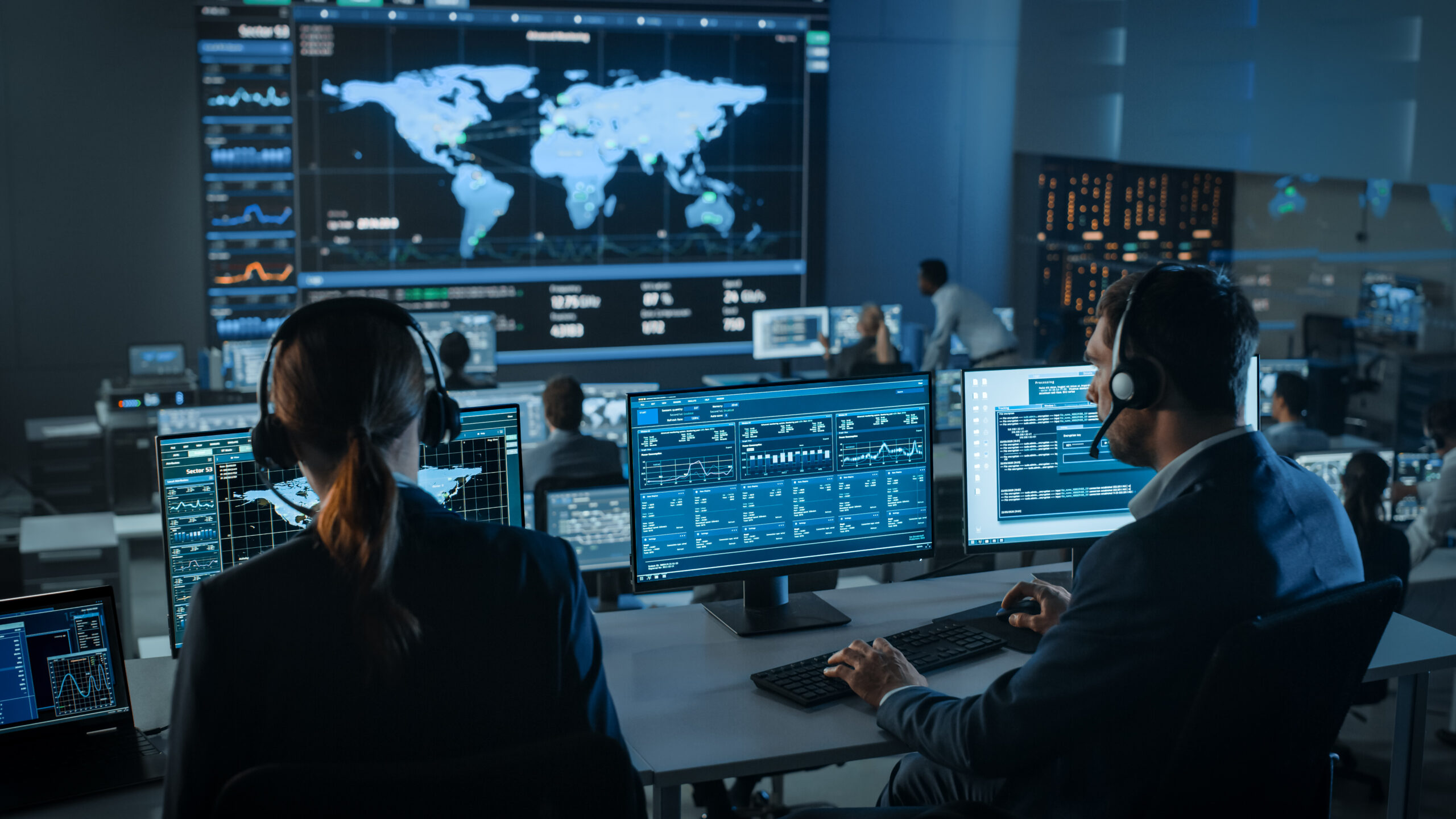
Battlefield management:
With AI-powered decision support commanders can be provided with vast amounts of information on potential scenarios, such as enemy actions, logistics and optimal courses of action, in real-time.
Intelligence, surveillance and reconnaissance (ISR):
Through computer vision, sensor fusion and AI platforms, large amounts of varied data can be processed autonomously in order accurately, and in real-time, identify objects, detect patterns and predict emerging threats.
Navigation, communication and connectivity:
AI can enable autonomous navigation in complex environments using alternative navigation such as inertial and terrain referencing to maintain positioning even when GNSS systems are unavailable. Under such circumstances AI can also support personnel with decision-support and automated processes when engaging in collaborative air combat. By fostering robust connectivity via satellite links, mesh networks and cognitive radio communication AI can help ensure communication in harsh environments.
Defence logistics:
Logistics can be optimised with the help of AI by predicting maintenance, managing demand and inventory, suggesting optimal transportation routes and resupplying with autonomous machines. With the use of HMI and LLM personnel can operate complex logistic systems without expert knowledge and instead rely on specialist support remotely when needed, reducing training time, minimising errors and providing fast access to information.
Autonomous Vehicles:
AI-systems with reinforced learning, integrated into autonomous vehicles, enables them to perform potentially dangerous, fatiguing and labor-intensive tasks such as reconnaissance, resupplies, evacuations, mine clearance, target detection and engagement.